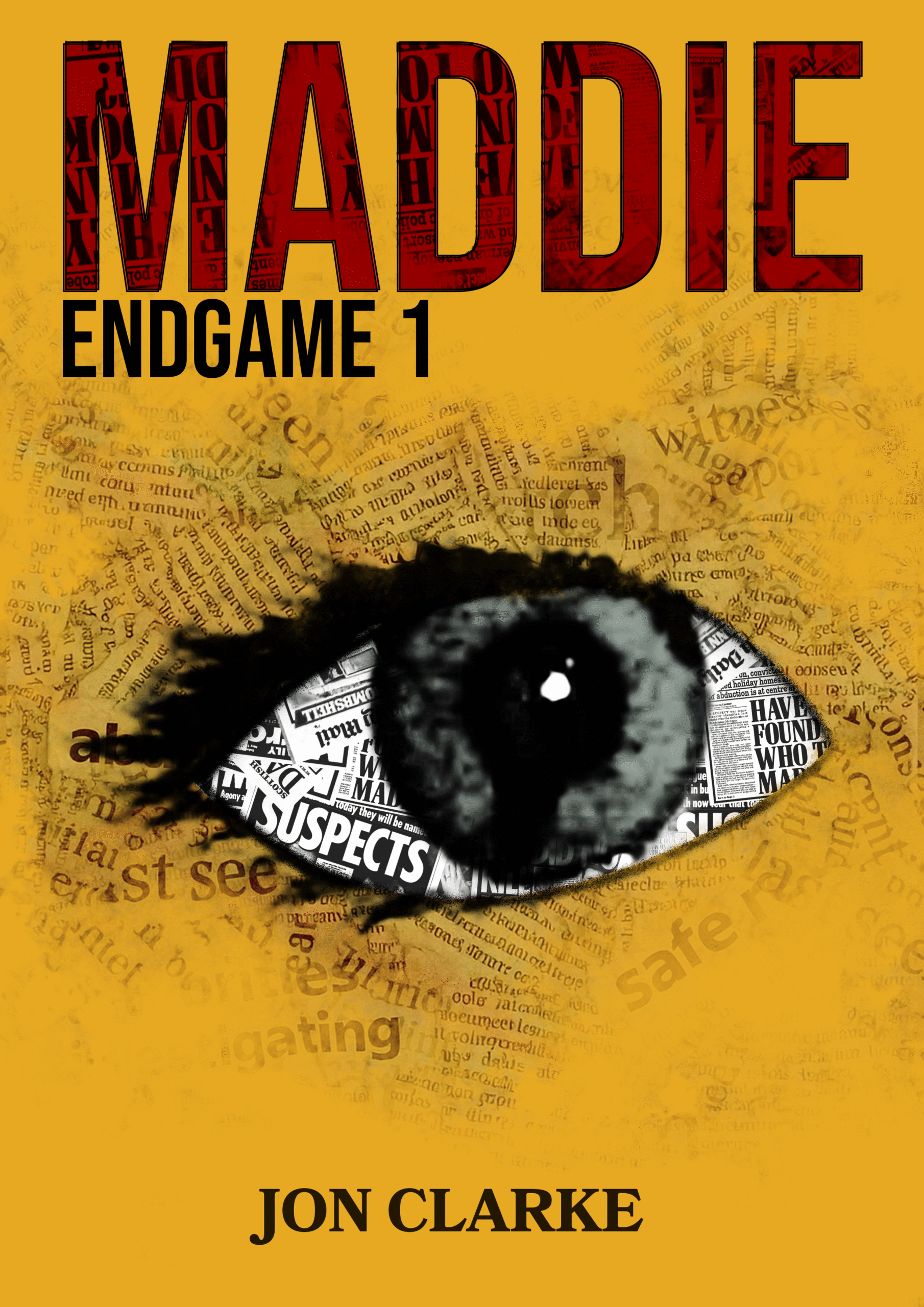
BIG STORY is a series of books by journalists about big themes, from genocide to tabloid culture to the mistreatment of veterans by the British military. BIG STORY is immersive story telling – the reporters tell the story from the frontline. Often from the most inner most parts of themselves, when the story becomes their life and their life becomes part of the story, as so often happens when the best journalists cover the most important events in their lifetime.
Each BIG STORY book is exclusive and revelatory. Each author is an expert in their field. But the books are not just about news lines – they are about the mechanics of the profession itself, which lie beneath the surface. How the research is carried-out, how the lines are stood-up and what impact the published articles have on people caught up in events and the communities they live in. They explore what it’s like to be a journalist, and what effect the sacrifices they make has on their lives.
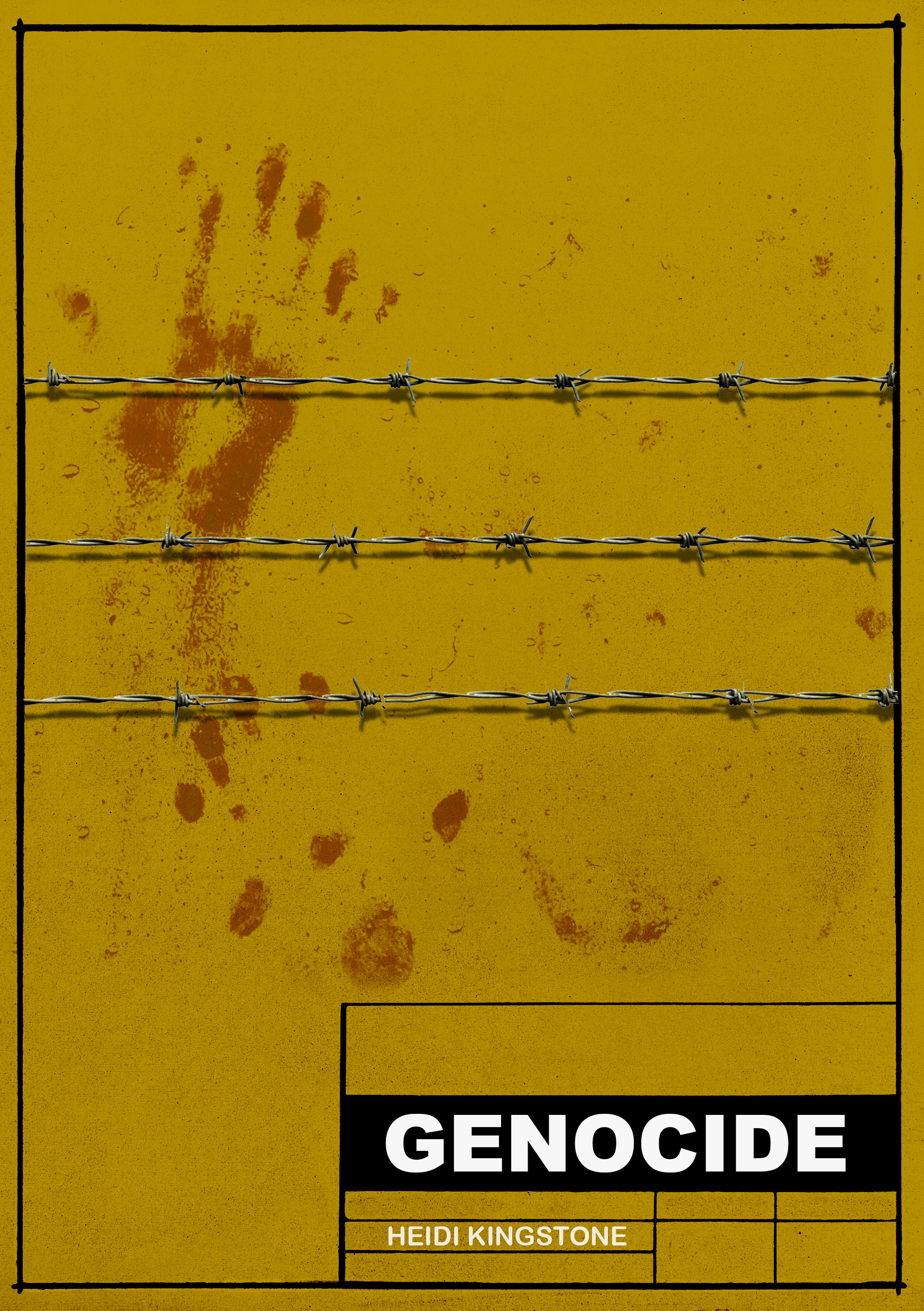
The first book in the series – Genocide by Heidi Kingstone – is a non-fiction account of a war reporter’s travels through the cities, forest and deserts in which annihilation is happening. Kingstone’s interviews with victims of prophylactic massacre, along with academic authorities, are amongst the book’s many strongpoints.
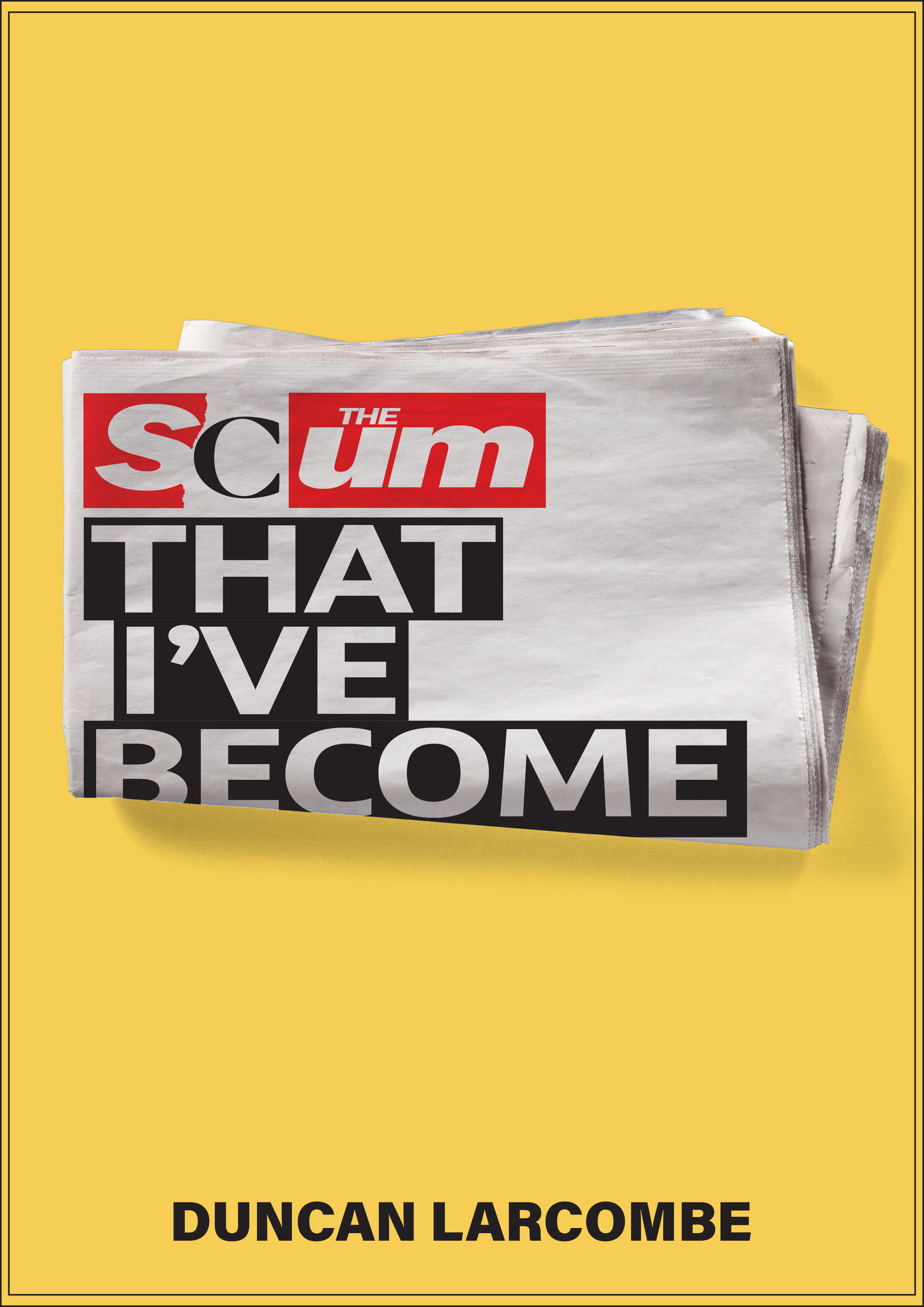
The second book in the series is The Scum That I’ve Become by Duncan Larcombe. The memoir of a top Sun reporter who chronicles his journey from a sleepy local newspaper in Kent into the most hardcore newsroom on the planet at Rupert Murdoch’s infamous and controversial flagship British paper.
‘Now, I’m going to tell you what it’s like to be on the frontline in the world’s fastest-moving paper.’ Larcombe writes.
‘From the moment I set foot in Fortress Wapping, The Sun’s ironclad HQ on the Thames, to the moment I left in disgrace.
‘Walk tall, you’re now entering Sun country,’ read the sign above the newsroom. And I did – I also made a deal with the devil.’
The Scum That I’ve Become is a rites-of-passage story that lays bare the loss of innocence of a cub reporter as he enters the world of tabloid journalism, characterised by deceit, corruption and unnatural pressure to get the story at any cost.
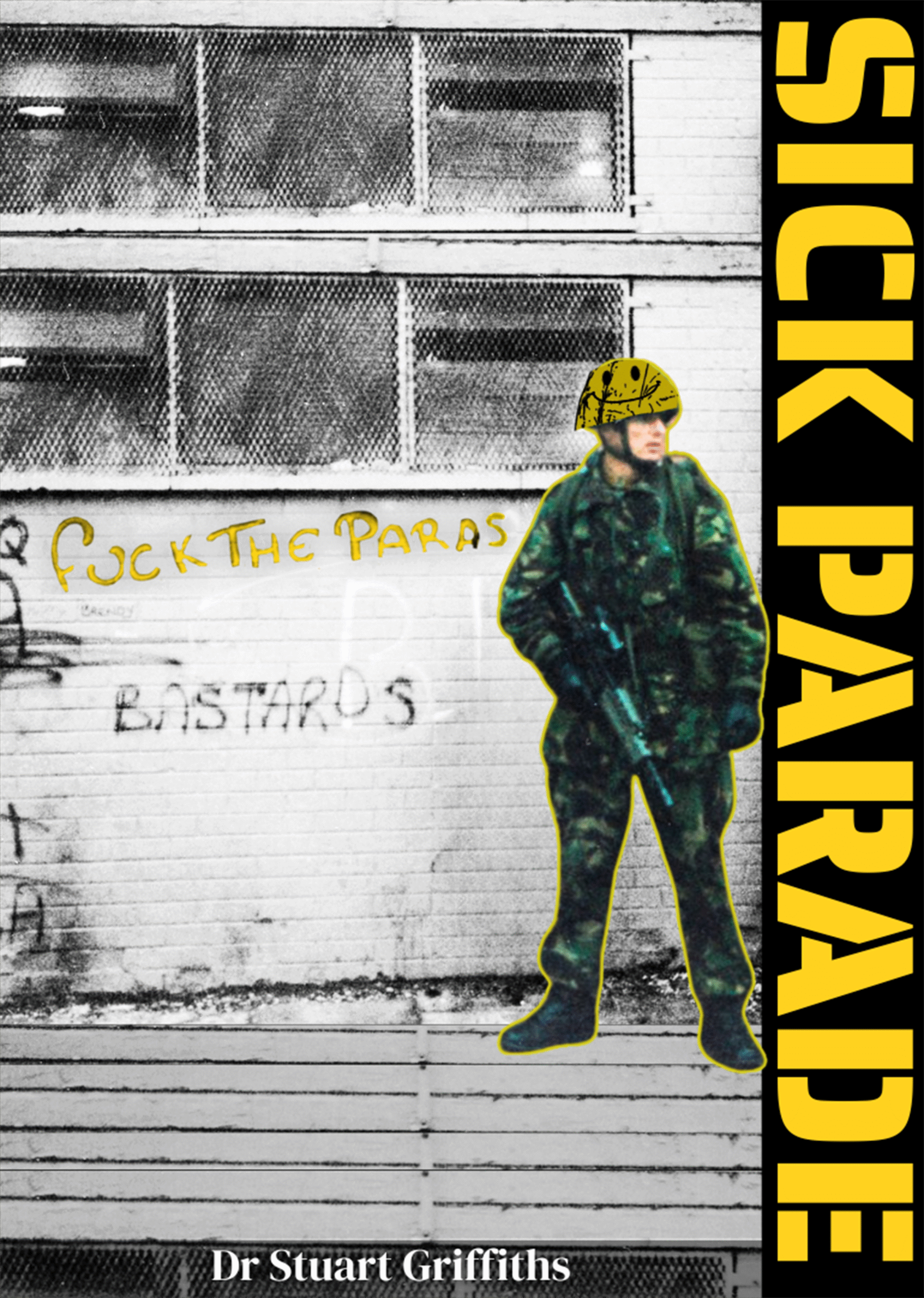
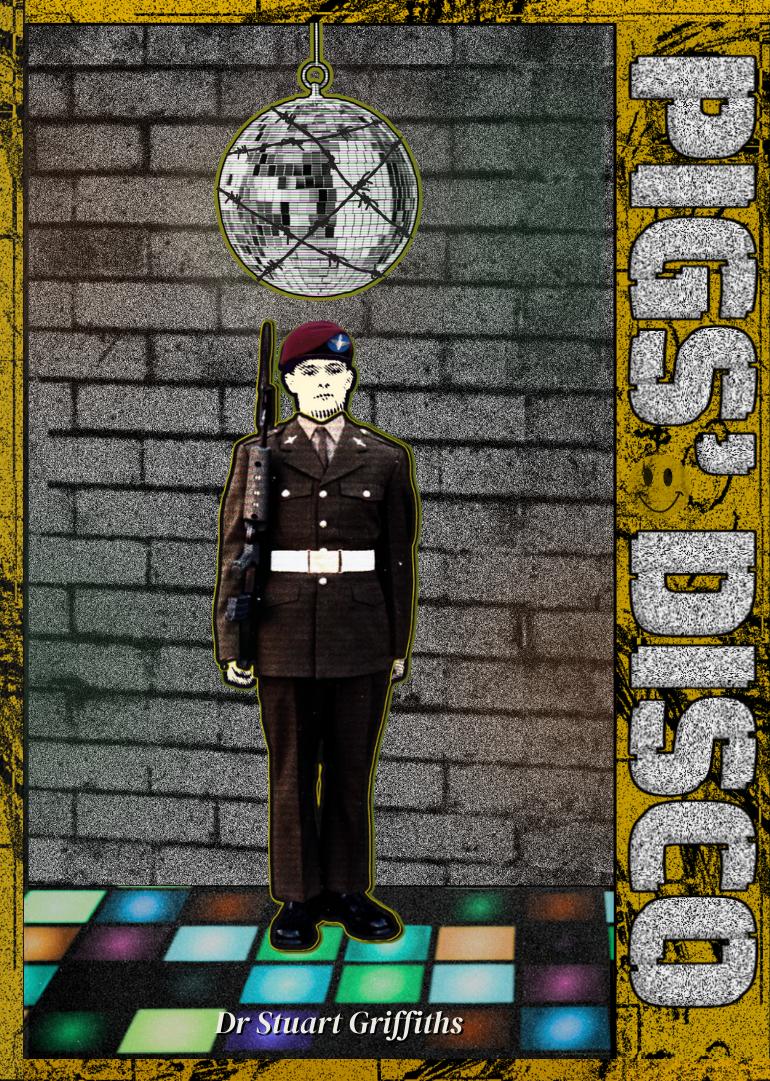
The third book in the series is ParaTripper by Stuart Griffiths, which chronicles the struggle of a former British paratrooper – wracked by PTSD following a tour of Northern Ireland – in his bid to become a Fleet Street snapper, on the way to realising his dream of being accepted as serious and worthy photographer at a posh arty agency, such as Magnum. ParaTripper is the sequel to Pig’s Disco, Griffith’s 2013 grittily surreal account of the brutal reality of life as a soldier in Northern Ireland in the early 90s, as rave culture collided with the bleak barrack-room poverty of the British Army.
In ParaTripper, Griffiths travels to far flung places; dealing with inner demons, isolation and avoiding addressing the elephant in the room – that of military institutionalised indoctrination. Homelessness, loneliness and stolen opportunity haunt his life like a memorial to the dead. As he comes down from all the toxic realities of his existence and frees himself from the shackles of state, his self-questioning of late 20th & early 21st Century British society helps navigate the reader through corporate sleaze, and capitalist ideals of conformity.